What Does a Roadworthy Inspection Check in Victoria?
- What Does a Roadworthy Inspection Check in Victoria?
- A Victorian roadworthy inspection checks wheels and tyres; steering, suspension and brakes; seats and seatbelts; lights and reflectors; the windscreen, windows, wipers and washers; the vehicle structure; and other safety-related items on the body, chassis or engine.
A roadworthy certificate is one of the few pieces of motoring paperwork that is genuinely misunderstood, usually in the direction of thinking it means more than it does.
It is a safety inspection against a published state standard, carried out by a Licensed Vehicle Tester. It is not an assessment of whether your car is any good. Here is exactly where that line falls.
When you need one
In Victoria a roadworthy certificate is required when you sell a registered vehicle, when you re-register a vehicle, and to clear some defect notices. Some vehicles are exempt, so if your situation is unusual it is worth checking before you book.
What is inspected
The inspection covers the systems that determine whether a vehicle can be seen, controlled and stopped, and whether it will protect its occupants.
- Wheels and tyres
- Tread depth, damage, and whether the tyres fitted are appropriate for the vehicle. This is the single most common failure item.
- Steering, suspension and brakes
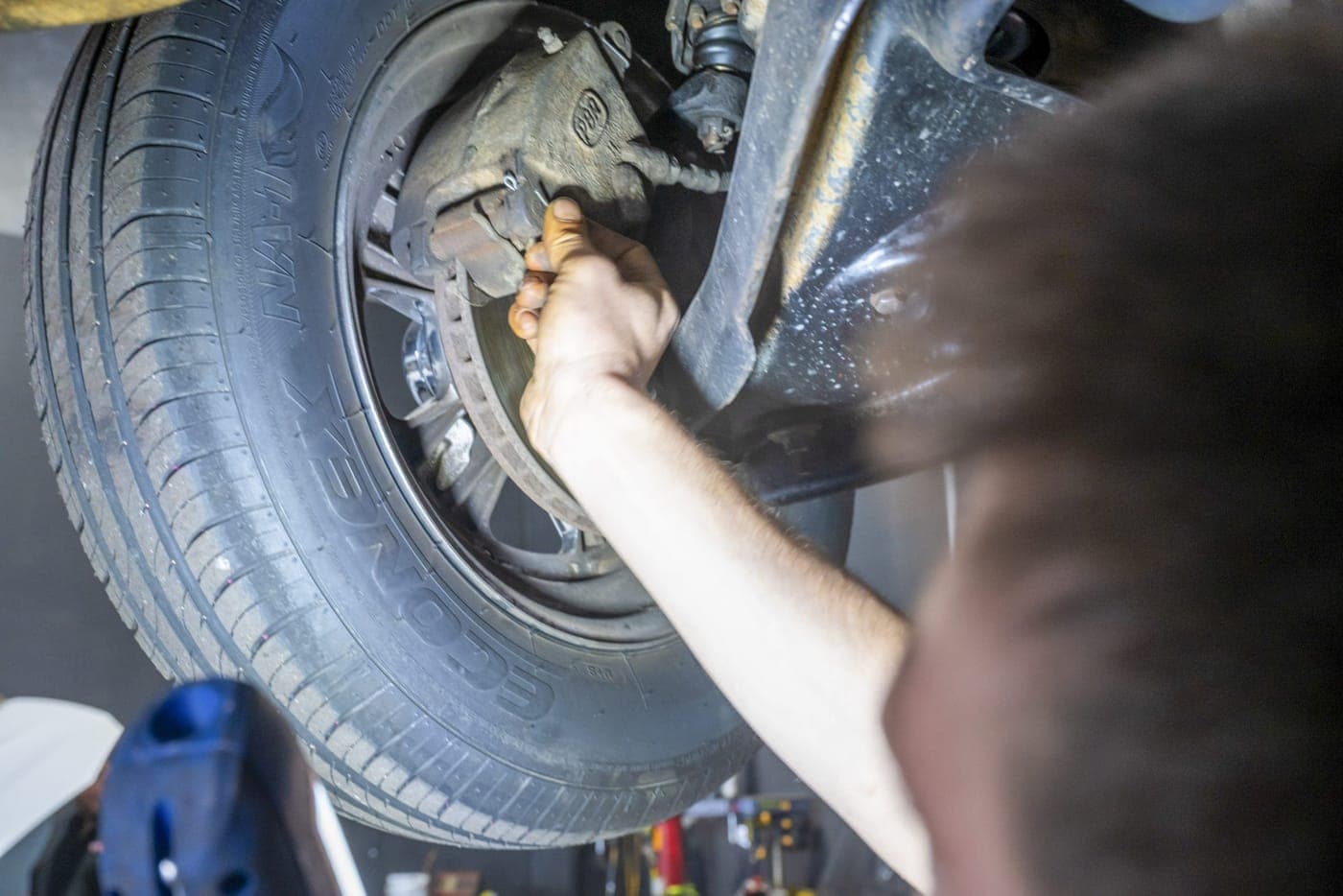
- Play, wear, leaks and braking performance across all three. Worn tie rod ends, perished bushes and brake pads at their limit all appear here.
- Seats and seatbelts
- Secure mounting, condition, operation and retraction of every belt.
- Lights and reflectors
- Operation, aim, colour and condition of every lamp and reflector.
- Windscreen, windows, wipers and washers
- Chips and cracks in the driver's field of view, window condition, and front wiper and washer operation.
- Vehicle structure and other safety items
- The body, chassis and engine are checked for rust, damage and other safety-related defects.
What is not inspected. And this is the important part
A roadworthy inspection does not tell you whether a car is mechanically reliable, or what its general condition is. The Department of Transport and Planning is explicit about this.
Specifically, a certificate does not mean the vehicle is free of wear and tear, does not mean non-safety items work, air conditioning, electric windows and rear wipers are all outside it, does not guarantee the items checked will keep working after the inspection, and does not certify compliance with all Australian Design Rules.
So a car can hold a valid roadworthy certificate and still need a clutch, have a slipping transmission, or blow warm air out of the vents. If what you want to know is whether a car is actually sound, before buying it, for instance. You need a separate pre-purchase inspection. They answer different questions.
How long a certificate lasts
A roadworthy certificate is current and usable for 30 days from the date it is issued, and it can be used more than once for registration or transfer purposes inside that window.
Worth remembering: holding a certificate does not mean the car stays roadworthy for the full 30 days. A brake light can fail the day after the inspection.
If it fails
You are given a report listing the items that did not pass. You then have 14 days to have those repaired and the vehicle re-checked. Go beyond 14 days and a new full test is payable.
That 14-day window is the practical reason to have the inspection done somewhere that can also do the repairs. If the tester cannot fix what they found, you are booking a second workshop, waiting on parts, and then booking a third appointment to come back. And the clock is running the whole time.
What it costs
There is no fixed fee. The cost depends on the vehicle's age, type and condition, and the department's own advice is to ask your licensed vehicle tester for a quote before starting. Any workshop quoting a single flat figure sight-unseen is guessing.
Giving it the best chance of passing
Most failures are unremarkable. Before you book, walk around the car and check every light works, look at the tyres for tread and damage, top up the washer fluid, check the wipers do not smear, and make sure the handbrake actually holds on a slope.
None of that guarantees a pass, but it removes the failures that are irritating precisely because they were avoidable.
Sources
- Roadworthy certificate, Department of Transport and Planning, Victoria
- Licensed vehicle testers, Department of Transport and Planning, Victoria
Roadworthy Certificates in Craigieburn
Freddy's Auto Care is a VicRoads Licensed Vehicle Tester (licence EX12487) and issues Victorian roadworthy certificates from its workshop at 14 Potter Street, Craigieburn.
14 Potter Street, Craigieburn VIC 3064